SALON WORKFLOW · EQUIPMENT GUIDES
Between Appointments: A Facial Equipment Cleaning Checklist
By ROVANCHY Editorial · Published
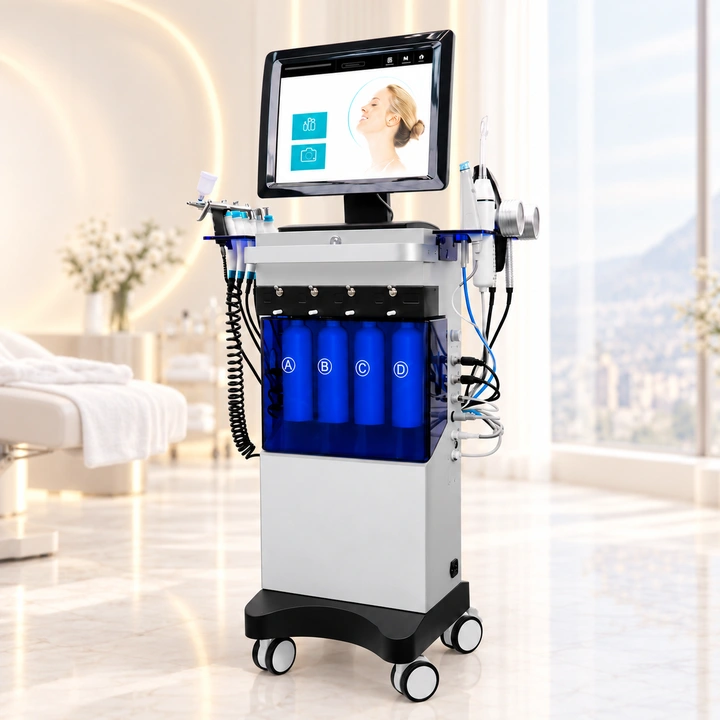
A tidy treatment room and correctly reprocessed equipment are different tasks. Make both visible in your between-client routine. Use the exact device and accessory instructions to decide what can be reused and how it must be processed.
Build the checklist before the first appointment
Create a register for each attachment and surface: its name, whether it is single-use or reusable, the applicable instruction page and the responsible staff member. Ask the supplier for missing instructions before putting an uncertain accessory into service. Do not copy a cleaning recipe from a visually similar device.
Separate used accessories from ready-to-use items
Move used items into your designated processing workflow and replace single-use items according to their instructions. Keep processed accessories protected from contamination. Toronto Public Health's instrument guidance emphasizes cleaning before disinfection or sterilization and keeping clean and used equipment separate. Its local rules do not automatically establish requirements in every country.
Choose the process for the item
Confirm the cleaning method, compatible agent, required concentration, contact time and any rinsing, drying or storage steps from the relevant instructions and applicable local infection-control requirements. Where instructions conflict or are missing, ask the manufacturer and the responsible infection-control professional before reuse.
CDC environmental-cleaning guidance emphasizes following chemical preparation instructions and selecting products that will not damage equipment. It is a general reference, not a validated reprocessing protocol for VY-8055 handpieces or internal tubing.
Keep electrical equipment and fluid paths distinct
The VY-8055 supplier description lists the unit as not waterproof. Do not interpret instructions for immersible instruments as permission to immerse a powered handpiece, screen or machine. Follow the device instructions for shutdown and any required electrical isolation.
Bottles and internal tubing need their own documented procedure. Do not invent a flush cycle, substitute chemicals, or assume that clear-looking liquid proves the circuit is ready. Request the manufacturer’s written procedure and record who performed it.
Use a simple handover record
The following fields help a colleague see what has been completed. This editorial template is not a regulatory form.
- Date, time, operator and equipment identifier.
- Accessory or surface processed.
- Instruction revision followed.
- Product used and required process details.
- Completion and inspection result.
- Faults, missing instructions or items removed from service.
- Ready-for-use sign-off by the responsible person.
What should clients see?
Keep the ready-to-use area orderly and explain that accessories are prepared according to their requirements. If asked, describe your actual process rather than saying “everything is sterilized” when it is not. Allow enough turnaround time to complete the required process without rushing.
Does a clean-looking handpiece mean it is ready?
No. Appearance does not confirm that every required processing step has been completed. Release it for reuse only after the applicable instructions and inspection requirements have been met.
Sources and scope
- VY-8055 supplier listing: equipment description
- Toronto Public Health: cleaning instruments
- CDC: environmental cleaning supplies and equipment
Explore the equipment
View VY-8055 specifications and accessories or compare hydro facial equipment. Ask for the current model manual and supplied-accessory list before ordering.